

A good airport pickup feels quiet and easy: the traveler knows where to go, the driver knows when to arrive, and nobody is circling the terminal wondering what happened. This airport pickup etiquette guide explains the small decisions that protect everyone’s time, especially when a flight, luggage claim, or crowded pickup zone does not go exactly as planned.
Airport transportation is often treated as a simple handoff. In reality, it is a coordinated appointment with moving parts. A clear plan creates a more comfortable arrival for families, business travelers, cruise guests, and the person behind the wheel.
Airport Pickup Etiquette Starts Before the Flight
The best pickup etiquette happens before anyone reaches the airport. Give the driver or person collecting you the airline, flight number, arrival date, and a working mobile number. A flight number matters more than a scheduled landing time because it allows a professional chauffeur to monitor delays and early arrivals.
If your reservation includes more than one traveler, confirm the total passenger count and luggage. This is not just a courtesy. A carry-on bag, two large checked cases, a stroller, skis, or cruise luggage can change the vehicle needed for a comfortable ride. A full-size luxury SUV may be ideal for many airport transfers, while a larger group with substantial bags may need a Sprinter.
Travelers should also provide their destination accurately, including a hotel name, cruise terminal, office building, or home address. For business travel, add the meeting time if it is fixed. That allows the chauffeur service to recommend a pickup plan with enough margin for traffic and airport activity.
Set one meeting plan, not three
Before takeoff, agree on the exact pickup method. Will the driver meet the traveler inside with a sign, wait at a designated commercial-vehicle area, or collect them curbside after they have their bags? Each approach works, but mixing them causes confusion.
Curbside pickup is usually quickest when the traveler can communicate promptly after collecting luggage. Meet-and-greet service can be especially helpful for first-time visitors, families managing children, travelers who need assistance, or executives who want a direct, organized arrival. The appropriate choice depends on the airport’s rules, the traveler’s needs, and the level of service reserved.
Avoid vague messages such as “I’m outside.” Airports have several exits, levels, zones, and terminals. A useful update names the terminal, door or zone number, and whether bags are already in hand.
Respect the Timing at the Terminal
For the person picking someone up, arriving early does not mean parking at the curb indefinitely. Airport curbs must keep moving, and enforcement staff may ask vehicles to leave if they are unattended or waiting too long. If the traveler is still in baggage claim, use a designated waiting area or parking option rather than repeatedly circling the terminal.
For the arriving passenger, send an update after landing if the flight was delayed, diverted, or arrived early. Then send a second message when you are close to the agreed meeting point. This is more useful than sending a stream of uncertain updates while the plane is taxiing.
At Seattle-Tacoma International Airport, bags and terminal congestion can vary considerably by flight and time of day. Do not assume that landing means you will be curbside in five minutes. International arrivals, checked luggage, traveling with children, and accessibility needs can extend the process. A professional pickup plan should account for that reality without making the traveler feel rushed.
Keep calls brief when the curb is busy
If you need to call, step to a safe location and have the essential information ready. Confirm the vehicle description, meeting area, and estimated walking time. Once you spot the vehicle, complete the call and move toward it carefully rather than standing in traffic lanes or stopping at the door while other travelers try to pass.
Drivers should avoid asking passengers to cross active lanes or walk to an unclear location simply because it is more convenient. The pickup point should be legal, safe, and easy to identify. Travelers should return that consideration by being ready when they say they are ready.
Luggage Etiquette Is Part of Good Service
A courteous driver offers reasonable help with luggage. A courteous passenger makes that help possible. Keep passports, phones, wallets, medications, and other essential items with you rather than burying them in a trunk-bound suitcase. Before leaving the curb, take a moment to confirm that every bag is accounted for.
If an item is unusually heavy, oversized, fragile, or requires special handling, mention it in advance. The same applies to pet carriers, golf clubs, mobility equipment, and child seats. Surprises at pickup can create safety concerns and take time that a prepared reservation would have avoided.
Passengers should not feel obligated to load their own bags when a chauffeur offers assistance. At the same time, giving clear direction helps: identify which suitcase should remain accessible, which bag contains a laptop, or whether a garment bag should be laid flat. Small details preserve both comfort and care.
Make the Vehicle a Comfortable Shared Space
Premium airport transportation gives travelers room to decompress after a flight. Respecting that space goes both ways. Drivers should keep the vehicle clean, climate-controlled, and ready for passengers. They should confirm the destination and route preferences without forcing conversation.
Passengers can help by keeping food and drinks tidy, using headphones for calls or entertainment, and telling the driver early if they need a quick stop. If you are traveling with children, bring what you need to keep them comfortable and advise the service ahead of time about car seats. For corporate travelers, remember that a chauffeur may be present while you take a confidential call. Use discretion with sensitive business information.
Conversation is a matter of preference, not obligation. Some travelers welcome local recommendations after arriving in the Puget Sound area; others want a quiet ride. A professional chauffeur reads the situation and follows the passenger’s lead. A simple “I’d appreciate a quiet trip” is always appropriate.
Payment, Tipping, and Changes Should Be Clear
Confirm the price, payment method, and any included gratuity before travel whenever possible. Transparent pricing prevents an awkward discussion at the curb, when both driver and passenger are focused on the next step. If the fare does not include gratuity, tipping for attentive, professional service is customary, though the amount should reflect the service received and your own budget.
Last-minute changes should be communicated as soon as they are known. That includes a flight cancellation, a new arrival time, an added stop, a different passenger, or a destination change. A private car service can often adjust, but it needs enough notice to do so responsibly. Waiting until the driver arrives to mention a distant extra stop may affect pricing and the chauffeur’s next reservation.
If something went wrong, be direct and calm. A missing flight number, a misplaced suitcase, or a terminal mix-up is usually solved faster with specific facts than frustration. Professional transportation is built on accountability, and respectful communication gives everyone the best chance to correct the issue quickly.
A Few Details That Prevent Most Pickup Problems
The most common airport pickup mistakes are easy to avoid:
- Sending only an arrival time instead of the flight number.
- Forgetting to mention oversized luggage or extra passengers.
- Leaving the terminal before confirming the agreed pickup zone.
- Assuming a driver can wait curbside as long as needed.
- Making a route or destination change without notifying the service.
These are not rigid rules meant to add pressure to travel. They are practical habits that make a pickup more dependable when the airport is crowded and schedules are tight.
A reliable ride begins with mutual consideration. Give your chauffeur accurate details, stay reachable, and allow a few extra minutes for the realities of air travel. In return, you should expect a clean vehicle, professional assistance, clear communication, and a driver prepared to get you comfortably on your way. That is the standard Lal Limo Service is built to deliver.




Best SeaTac Pickup Amenities for Stress-Free Arrivals
Compare the best SeaTac pickup amenities for comfort, timing, luggage, and family travel, and choose…

How to Arrange Private Event Transportation
Learn how to arrange private event transportation with clear pickup plans, the right vehicle, and…

Seattle Black SUV Review for Reliable Travel
Seattle black SUV review for travelers valuing punctual pickups, spacious luggage room, professional chauffeurs, and…
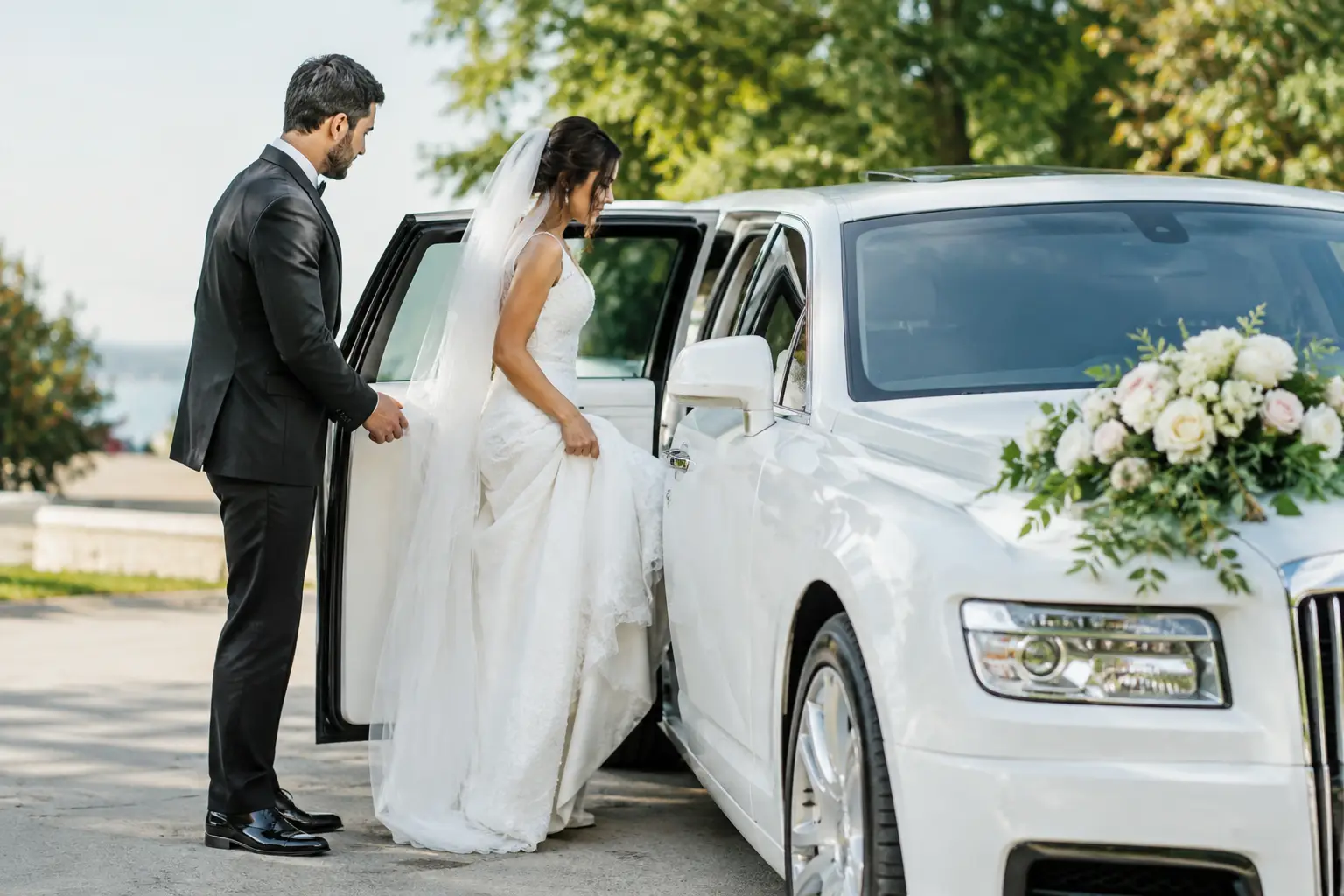
Best Wedding Transportation Features to Book
Compare the best wedding transportation features, from punctual chauffeurs and luggage space to clear pricing,…

Multi Stop Chauffeur Booking Made Simple
Plan every airport, meeting, cruise, or family stop with a multi stop chauffeur booking that…

Cruise Transfer Review: What to Check Before You Book
Read this cruise transfer review guide to compare private cars, rideshares, and shuttles, then choose…

Luggage Friendly Airport Ride Options That Fit
Compare luggage friendly airport ride options for Seattle travel, from rideshares to private SUVs, and…

Airport Pickup Etiquette Guide for Stress-Free Arrivals
Our airport pickup etiquette guide covers timing, meeting points, luggage, tips, and payment so every…

What Is Hourly Car Service? When It Makes Sense
What is hourly car service? Learn how chauffeur-by-the-hour bookings work, what they include, when they…

Are Sprinters Suitable for Groups? A Clear Fit
Are Sprinters suitable for groups? Learn when a private Mercedes Sprinter offers the right space,…

