

A group pickup can go wrong before anyone reaches the curb. One traveler lands early, another is waiting on a checked bag, two people have different terminals, and the person organizing the ride is getting a stream of messages while trying to follow airport signs. Knowing how to coordinate group airport pickups turns that confusion into a clear plan – and gives everyone a calmer start to the trip.
For families, business teams, cruise groups, and out-of-town guests, the goal is not simply to get a larger vehicle. It is to make sure the right people, luggage, timing, and pickup instructions are accounted for before the first flight lands.
Start With the Real Arrival Schedule
A flight itinerary is the starting point, not the pickup time. When coordinating several travelers, collect each person’s airline, flight number, scheduled arrival time, terminal, and whether they are checking bags. Flight numbers matter because arrival times can change, and a professional transportation provider can track the flight rather than relying solely on a schedule created days earlier.
Do not assume that travelers on the same flight will be ready at the same moment. Deplaning, walking through a large terminal, visiting the restroom, collecting luggage, and meeting family members can add time. At Seattle-Tacoma International Airport, for example, travelers may also need time to navigate a busy terminal, elevators, and designated pickup areas.
If the group arrives on different flights, choose between two approaches. A single shared pickup works well when arrival times are close and the early group is comfortable waiting. Separate pickups may be the better choice when there is a large gap, young children, an executive schedule, or travelers who cannot reasonably wait after a long flight. Saving on one vehicle is not always worth adding an hour of uncertainty to everyone’s day.
Build One Shared Arrival Sheet
Keep the key details in one place that the trip organizer and transportation provider can reference. Include full names, mobile numbers, flight details, luggage expectations, destination address, and any special requests. A simple shared document or group message works well, as long as everyone knows it is the final source of truth.
Ask travelers to notify the organizer when they land and again when they have their bags. That second message is more useful than the first. A passenger who has landed is not necessarily ready to meet the vehicle.
Choose a Vehicle Based on People and Luggage
The most common group transportation mistake is booking by passenger count alone. Six adults with backpacks need far less room than six adults returning from a cruise with large suitcases, carry-ons, garment bags, and a stroller.
Count every item that will need cargo space, especially for airport and cruise transfers. Then consider the comfort level your group expects. A full-size luxury SUV such as a GMC Yukon XL can be an excellent fit for smaller groups with a manageable amount of luggage. For larger parties or groups carrying substantial bags, a Mercedes Sprinter provides more seating and cargo flexibility.
Be direct about the luggage count when reserving. This allows the chauffeur service to recommend a vehicle that fits the actual trip rather than forcing bags onto laps or requiring an unexpected second car. If your group includes car seats, mobility equipment, sports gear, or oversized items, mention those details early as well.
Set One Pickup Leader and One Communication Plan
Groups need a single decision-maker. The pickup leader does not have to manage every traveler, but they should be the person authorized to confirm changes, communicate with the chauffeur, and decide whether the vehicle waits for a delayed passenger.
Share the pickup leader’s mobile number with the transportation provider, and make sure the group has the chauffeur or dispatch contact information for the day of travel. Before departure, send one concise message to every traveler that explains where to go after landing, what vehicle to look for, and who to contact if plans change.
Avoid relying on a long group text thread for essential instructions. Important messages get buried quickly. Instead, send a final pickup note shortly before travel and ask each traveler to save it. Include the vehicle description, pickup procedure, and a reminder not to leave the terminal area without notifying the group.
Agree on the Waiting Rule Before Travel Day
Decide in advance how long the vehicle should wait for delayed travelers and what happens if one person is significantly behind. This is especially useful for corporate groups, wedding parties, and cruise passengers with firm schedules.
For example, the group might agree to wait for all passengers whose flights arrive within 30 minutes of the planned arrival window. If someone is delayed beyond that point, they may need a separate ride. There is no universal rule, but making the decision ahead of time prevents frustration at the curb.
Confirm the Airport Pickup Procedure
Airport rules and curb access can vary by terminal, time of day, and vehicle type. A reliable private car service will provide clear instructions for where to meet and when to call or text. Some pickups involve curbside coordination, while others may use a designated commercial pickup area.
Travelers should not guess. They should wait until they have their luggage, follow the provided instructions, and stay reachable by phone. If a passenger’s phone is low on battery, that can create a preventable problem at the exact moment the group needs to connect. A portable charger is a small item that can protect a carefully planned pickup.
Flight tracking is another valuable safeguard, but it does not replace communication. A flight may arrive early, circle before landing, or have passengers held at the gate. The chauffeur can monitor the aircraft, while the group leader confirms when everyone is actually ready.
Plan for the First Stop, Not Just the Airport Exit
A group pickup often has a second logistical challenge: the first stop after the airport. Some travelers may need to check into a hotel while others are headed to a meeting, home, or cruise terminal. Clarify whether the destination is one address or a route with multiple stops.
Multiple stops can be practical, particularly for families or small business groups. They also add time, mileage, and coordination. Put the stops in the most efficient order and make sure everyone understands that the first drop-off may not be their final destination. Transparent planning helps avoid last-minute route changes and keeps pricing clear.
If the group is traveling to a cruise port, build extra margin into the schedule. Port check-in windows, traffic, luggage handling, and ship departure times are less forgiving than a casual hotel arrival. A private reservation with the right vehicle size gives the group space to travel together while keeping the timeline under control.
Reconfirm the Details the Day Before
The day before travel, confirm the reservation, flight numbers, passenger count, luggage estimate, and destination. This is also the time to flag any changes: a canceled flight, an added traveler, a child seat request, or a new hotel address.
A good confirmation is brief but specific. The pickup leader should know the scheduled service time, the contact process, the vehicle type, and the final destination. Travelers should know they do not need to solve the transportation plan themselves once they land.
With Lal Limo Service, groups can reserve a private SUV or Sprinter option with professional chauffeur service, flight-aware airport coordination, spacious seating, and transparent pricing. The value is not just the vehicle waiting outside. It is having a plan that accounts for the moments when travel does not run exactly as scheduled.
Make the Arrival Feel Easy
The best group airport pickup is almost invisible to the travelers. They land, collect their bags, follow clear instructions, and step into a clean, comfortable vehicle with enough room for people and luggage. No one is splitting into random rides, standing in the wrong area, or debating whether the driver has already left.
Leave a little room in the plan for real travel conditions. A few extra minutes, accurate luggage details, and one reliable point of contact can turn a complicated arrival into the comfortable beginning your group deserves.




What Affects Chauffeur Trip Cost? Key Factors
What affects chauffeur trip cost? Learn how distance, vehicle choice, timing, stops, and service needs…

Transparent Limo Pricing Explained Clearly
Transparent limo pricing explained for airport, cruise, business, and event rides, so you can compare…

A Practical Guide to Private Intercity Travel
This guide to private intercity travel covers planning dependable, comfortable long-distance rides, from vehicle choice…
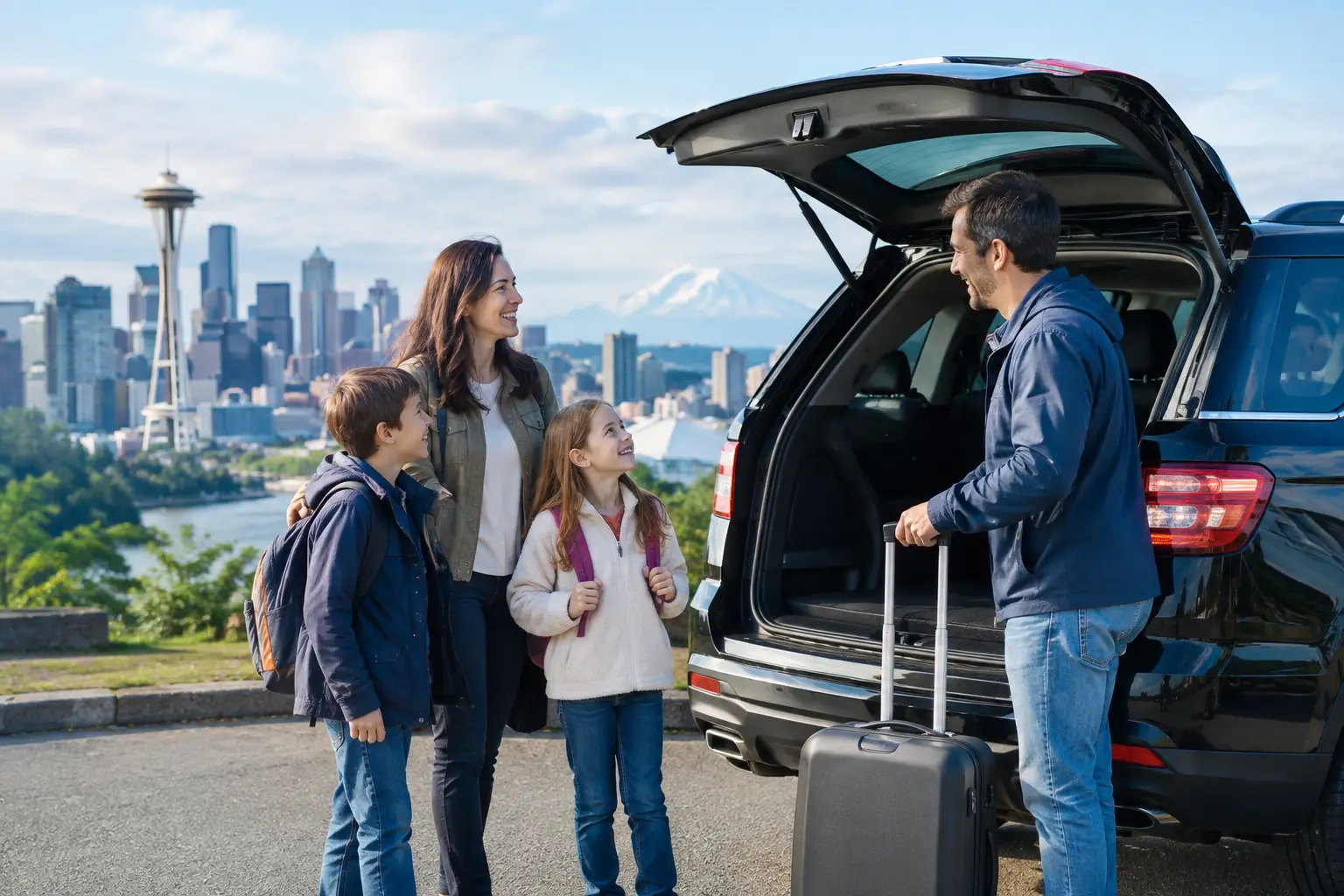
Best Private Transportation for Families in Seattle
Find the best private transportation for families with room for luggage, child seats, reliable pickup…

Cruise Embarkation Transfer Guide for Seattle
Use this cruise embarkation transfer guide to plan port timing, luggage, pickup details, and a…

Cruise Transport Comparison for Port Day
Use this cruise transport comparison to choose between private SUVs, rideshares, shuttles, taxis, and parking…

How to Book Cruise Transfers Without Port-Day Stress
Book cruise transfers with the right pickup time, vehicle, and luggage plan for a dependable,…

When Should Cruise Pickup Arrive at the Port?
When should cruise pickup arrive? Plan the right arrival time for Seattle cruise terminals, avoid…

How to Book Airport Chauffeur Service With Confidence
Learn how to book airport chauffeur service with clear pricing, the right vehicle, flight tracking,…

Airport Ride for Early Flights That Shows Up
Book an airport ride for early flights with a professional chauffeur, a spacious vehicle, clear…

